Septic Tank Pumping for Brewster Homeowners
Request an estimate from a local provider
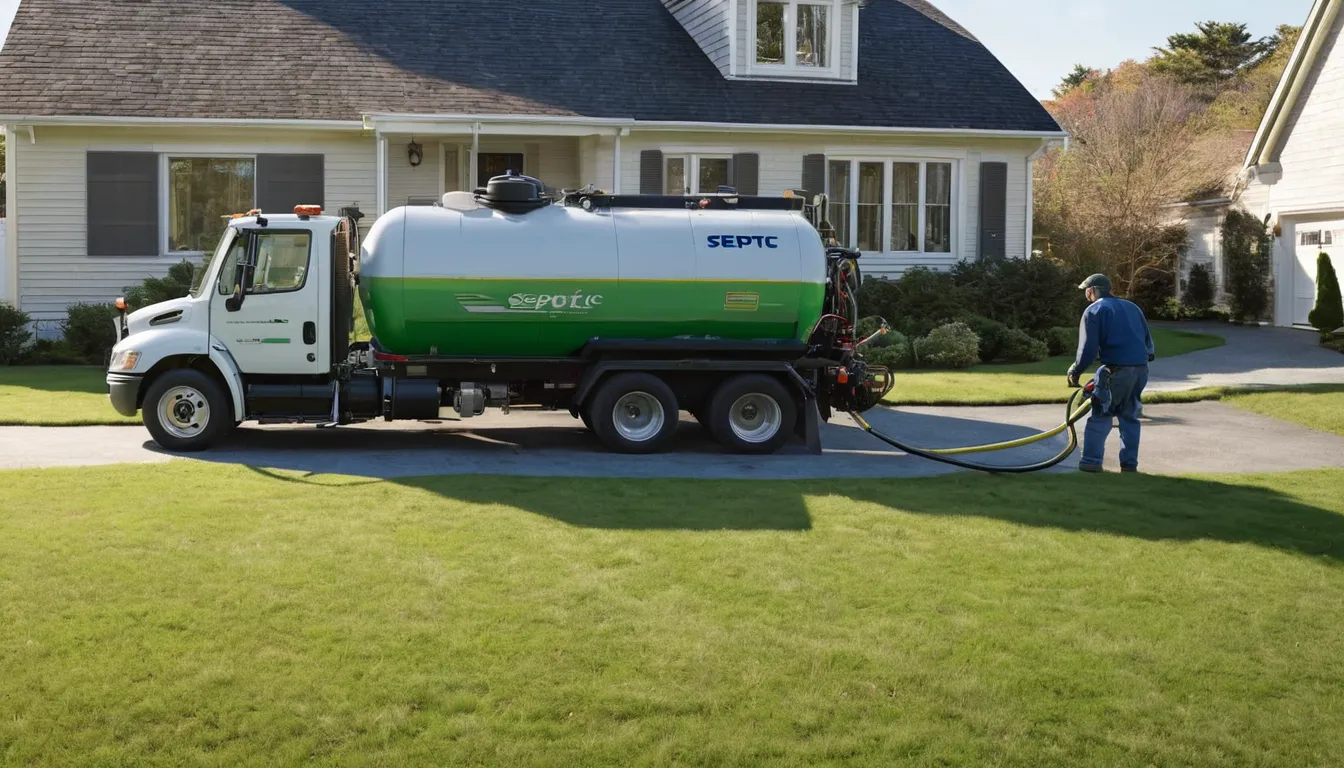
A septic tank collects solids that never leave the tank. Over time, that layer of sludge and scum grows. When the tank is too full, waste can push into the drainfield or back up into the house. Both are costly problems.
Reelsteelcenter Septic is a referral service. We do not pump tanks. We connect homeowners in Brewster and the Brewster area with independent providers in our network who do. This page explains the warning signs, what a pumping visit involves, and what to ask before you book. Read it, then decide on your next safe step. Doing the job right protects the home and its resale value.
Is Your Tank Full or Overdue? Start Here
Some signs mean the tank needs attention soon. Notice them early.
- Slow drains in several fixtures at once
- Gurgling sounds from pipes after flushing
- Sewage smell near the tank, drainfield or basement
- Soggy or unusually green patches over the drainfield
- Water or sewage backing up into a floor drain or tub
If sewage is coming up inside the home, treat it as urgent. Keep people and pets away from the affected area. Do not use the water until a provider has looked at the problem.
Request a callback to check provider availability for emergency septic cleaning in your area.
What Not to Do When a Tank Is Full
A few common reactions make things worse.
- Do not keep running laundry or long showers hoping it clears.
- Do not pour chemical drain openers or additives into the system.
- Do not open the tank lid yourself. Tank gases can be dangerous, and a fall into a tank can be deadly.
- Do not drive or park on the tank or drainfield.
Cut back on water use and wait for a provider. That is the safe move.
Why Regular Pumping Protects Your Home
The tank does not clean itself out. Solids build up and settle in layers. If they reach the outlet, they travel into the drainfield pipes and clog the soil.
A ruined drainfield is one of the most expensive septic repairs. Drainfield repair or replacement can cost many times what pumping does. Regular pumping is the cheaper path.
A well-kept system also matters when you sell. Buyers and lenders look at septic records. A clear pumping history shows the system was cared for.
How Often Should You Pump?
Many households pump every three to five years. Your schedule can differ. Four things drive it:
- Tank size
- Number of people in the home
- How much water you use
- Whether you have a garbage disposal
A large family with a small tank may need pumping more often. A couple in a big tank may go longer. A provider can look at your tank and suggest a schedule. Write the date down after each visit.
Why Winter and Spring Matter in Our Area
Cold snowy winters and freeze-thaw cycles are hard on septic systems. Frozen ground can make a tank lid hard to find and open. Spring snowmelt can saturate the soil and slow the drainfield.
A tank that is already near full has less room to cope when the ground is wet. Many homeowners schedule pumping in fall or early spring, before the stress hits. Coastal storms can also flood yards, so a tank with room to spare is safer.
If you have a well, keep in mind that a failing septic system can affect nearby water. Water well service providers can test the supply if you suspect a problem.
What Happens During a Pumping Visit
The visit is usually simple.
1. The provider locates the tank and uncovers the lid or lids. 2. A hose and truck vacuum out liquid, scum and sludge. 3. The provider looks at the inside of the tank, the baffles and the inlet and outlet. 4. The lids are secured and the area is left tidy.
Older homes may have tanks that are buried deep or have no riser. A provider may suggest adding a riser so the lid sits near the surface. That makes future visits easier.
Pumping and Inspections
Pumping and inspecting go well together. With the tank empty, a provider can see cracks, worn baffles or signs of water coming back from the drainfield.
Catching a small defect now can save a larger repair later. Ask the provider to explain what they see in plain words, and to note it in writing.
Buying or Selling a Home With a Septic System
Buyers often ask for a pumping and inspection before closing. Sellers who pump ahead of listing can show the system is in good shape.
If you are buying, do not rely on a seller's word alone. Ask for service records and request an inspection. If you are selling, gather receipts and any tank maps. Older homes with stone or block foundations and full basements may have older systems, so records matter.
Caring for Your System Between Pumpings
Small habits protect the tank.
- Spread laundry across the week.
- Fix leaking toilets and dripping faucets.
- Flush only toilet paper and human waste.
- Keep grease, wipes, coffee grounds and paint out of the drains.
- Keep trees and deep-rooted shrubs away from the drainfield.
- Keep a record of every service.
Questions to Ask the Provider
Before you book, ask:
- Will you pump through every lid, or only one?
- Do you inspect the baffles and the tank condition?
- Is the price a written quote, and what could change it?
- How will you handle a tank that is hard to find?
- Can you give me a written record of the visit?
Good providers answer these without fuss. Do it right the first time.
Request a callback to ask about septic tank pumping near you.
What's Included
Tank Pumping
Vacuum removal of liquid, scum and sludge so the tank has room to work again.
Baffle Check
A look at inlet and outlet parts for wear or damage.
Written Service Notes
A record of what the provider found and did, useful for you and any future buyer.
Riser Advice
Guidance on adding a riser so the lid sits closer to the surface for easier access.
Typical Septic Pumping Costs in the U.S.
Prices vary by tank size, access, location and how full the tank is. These are typical U.S. ranges only. Always get a written quote from the provider before work begins.
| Item | Typical range | Notes |
|---|---|---|
| Standard tank pumping | $300 – $650 | Common for tanks around 1,000 gallons |
| Large tank pumping | $500 – $1,000 | Bigger tanks and extra lids add time |
| Pumping with inspection | $400 – $900 | Includes a look at baffles and tank condition |
| Riser installation | $300 – $1,000 | Makes future access easier |
| Emergency septic cleaning | $500 – $1,200 | Depends on timing and severity of backup |
| Locating a buried tank | $100 – $300 | Needed when no map or marker exists |
How It Works
Describe Your Situation
Tell us what you see, such as slow drains or odors, and the last time the tank was pumped.
Request an Estimate
Use the form to ask for an estimate, with no obligation.
Get Matched Locally
A provider in our network reviews the details and contacts you to discuss the job.
Confirm and Schedule
Agree on a written quote and a time that suits you before any work starts.
Why Call Reelsteelcenter Septic
Safety First
Tank gases and sewage backups carry real health risks. Providers use proper equipment and handling to keep people safe.
Protect Value
A documented pumping history reassures buyers and helps protect the home's resale value.
Early Warning
Regular pumping lets a provider spot small defects before they become large repairs.
Fewer Surprises
Planned service costs less and disrupts less than an emergency backup.
Other Services
Need septic tank pumping in Brewster?
Tell us what you are seeing and where. Reelsteelcenter Septic will connect you with an independent local provider, with no obligation to hire.
No obligationSeptic Tank Pumping FAQ
- How do I know if my septic tank needs pumping?
- Slow drains, gurgling pipes, sewage odors and soggy ground over the drainfield are common signs. If you cannot remember the last pumping, a provider can check the sludge level.
- How often should a septic tank be pumped?
- Many homes pump every three to five years, but tank size, household size and water use change that. A provider can recommend a schedule after looking at your tank.
- Is it safe to open the septic tank lid myself?
- No. Tank gases can be harmful, and an open lid is a fall risk. Leave lid removal and inspection to a trained local provider.
Reach a local provider
Tell us what you are seeing and where. Reelsteelcenter Septic will connect you with an independent local provider, with no obligation to hire.
No obligation